Sleep apnea is a sleep disorder that affects 39 million U.S. adults. Characterized by pauses in breathing or shallow breaths during sleep, this condition can lead to health complications if left untreated. Let’s explore what sleep apnea is and potential treatment options.
Understanding Sleep Apnea
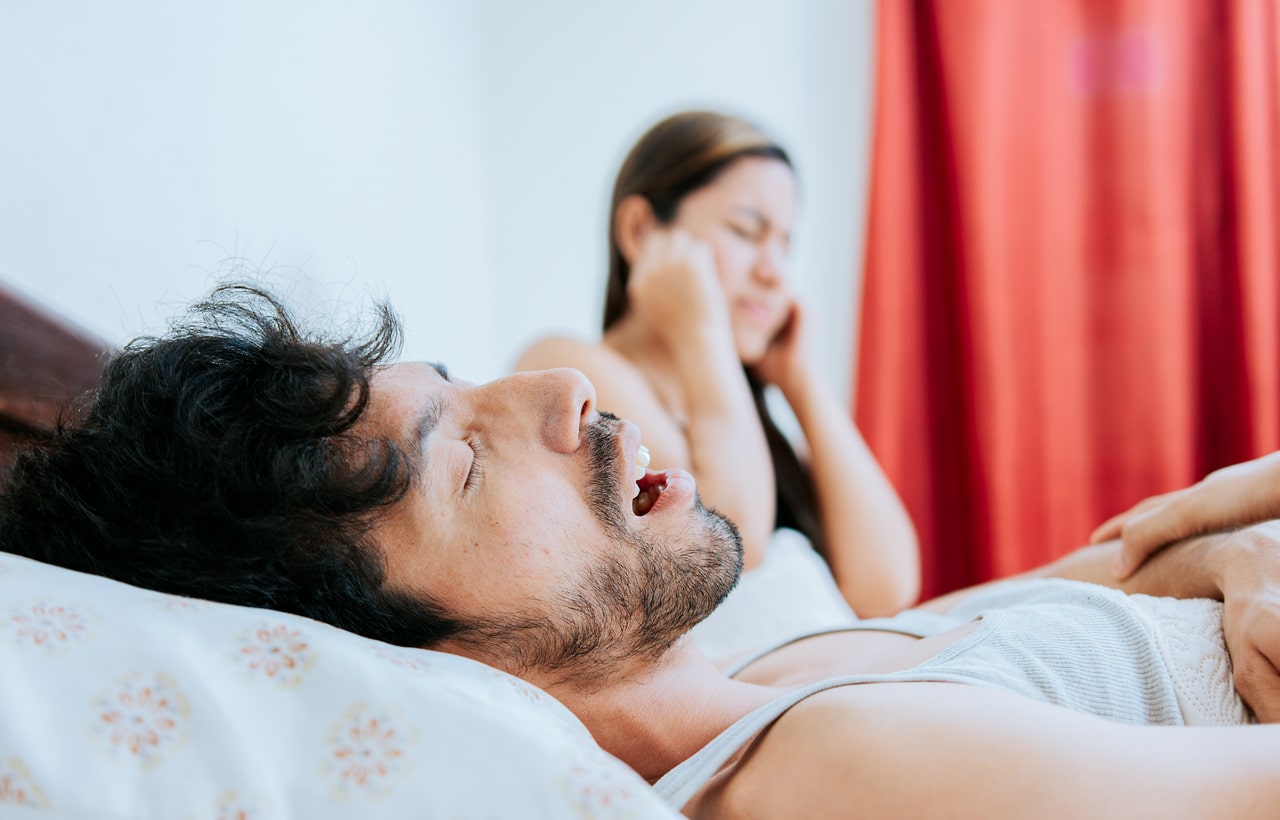
Sleep apnea occurs when the muscles in the throat relax excessively during sleep, causing the airway to become blocked or narrowed. This obstruction leads to interrupted breathing patterns, resulting in snoring or gasping for air. There are three main types of sleep apnea:
- Obstructive Sleep Apnea (OSA): The most common form; OSA occurs when the throat muscles relax and block the airway.
- Central Sleep Apnea (CSA): This type of sleep apnea is when a person experiences apnea episodes alternated with normal breathing.
- Complex Sleep Apnea Syndrome: Also known as treatment-emergent central sleep apnea, this condition involves a combination of both obstructive and central sleep apnea.
Symptoms of Sleep Apnea
Recognizing the symptoms of sleep apnea is crucial for timely diagnosis and treatment. Common signs and symptoms include:
- Loud snoring
- Pauses in breathing during sleep
- Gasping for air during sleep
- Excessive daytime sleepiness
- Morning headaches
- Irritability or mood changes
- Dry mouth or sore throat upon waking
Treatment Options
Several treatment options are available to manage sleep apnea and improve sleep quality and overall health. Treatment may vary depending on the type and severity of sleep apnea but can include:
- Continuous Positive Airway Pressure (CPAP): CPAP therapy involves wearing a mask connected to a machine that delivers a continuous flow of air to keep the airway open during sleep.
- Bi-level Positive Airway Pressure (BiPAP): Similar to CPAP, BiPAP therapy delivers varying air pressure levels, which can be especially beneficial for individuals who find CPAP uncomfortable.
- Oral Appliances: These devices, worn in the mouth during sleep, help reposition the jaw and tongue to keep the airway open.
- Lifestyle Changes: Losing weight, avoiding alcohol and sedatives before bedtime, sleeping on your side and quitting smoking can help reduce sleep apnea symptoms.
Sleep apnea is a serious condition that requires prompt diagnosis and treatment to prevent complications and improve overall well-being. If you or a loved one experiences symptoms of sleep apnea, don’t hesitate to consult a healthcare professional for evaluation and guidance. With the right approach, better sleep and better health are within reach.
To learn more about treating sleep apnea or other ENT conditions, schedule a consultation with Ear, Nose and Throat Associates today.
[related-posts]